Pet Surgery in Sarina
Surgical Services
Pet surgery can be a very stressful time for both owners and pets. We are passionate about making the whole process as smooth as possible for you. Your pet will need to be fasted through the night (no breakfast). When they come into Sarina Veterinary Surgery on Broad Street on the day of their operation, they will be greeted by a staff member and weighed. You will be required to sign a permission form after we have discussed what the surgery entails with you. Please voice any concerns or questions with our staff at this time.
After we take your pet through to the hospital, they will be thoroughly examined by a Certified Nurse. We may take a blood sample to perform a pre-anaesthetic blood test to evaluate your pet’s internal health. Your pet may be put on a drip to help support them while they are in surgery.
They’ll be given a premedication/sedation (including pain relief) that calms your pet and allows for a smoother anaesthetic. Once the premedication has had time to work, we’ll give your pet an injection to induce them into full anaesthesia. A tube will then be placed in their airways to deliver a gas anaesthetic that helps maintain the anaesthesia.
Call (07) 4956 1897 to discuss your pet’s surgery today.
Send Us a Message
Thank you for contacting Sarina Veterinary Surgery.
We will get back to you as soon as possible.
Please try again later.
Frequently Asked Questions
How should I prepare my pet for surgery?
Pets usually need to be fasted overnight before surgery, with no breakfast on the day of the procedure. This helps reduce risks during anaesthesia and ensures the veterinary team can safely prepare your pet for surgery.
Is anaesthesia safe for pets during surgery?
Anaesthesia is commonly used in pet surgery and is carefully monitored throughout the procedure. Pre-anaesthetic blood tests may be recommended to assess your pet’s health and help reduce potential risks during surgery.
What should I watch for after pet surgery?
After surgery, it’s important to monitor your pet’s behaviour, appetite and surgical site. Signs like swelling, discharge or ongoing discomfort should be checked, as early attention can help prevent complications and support recovery.
Care During & After Surgery
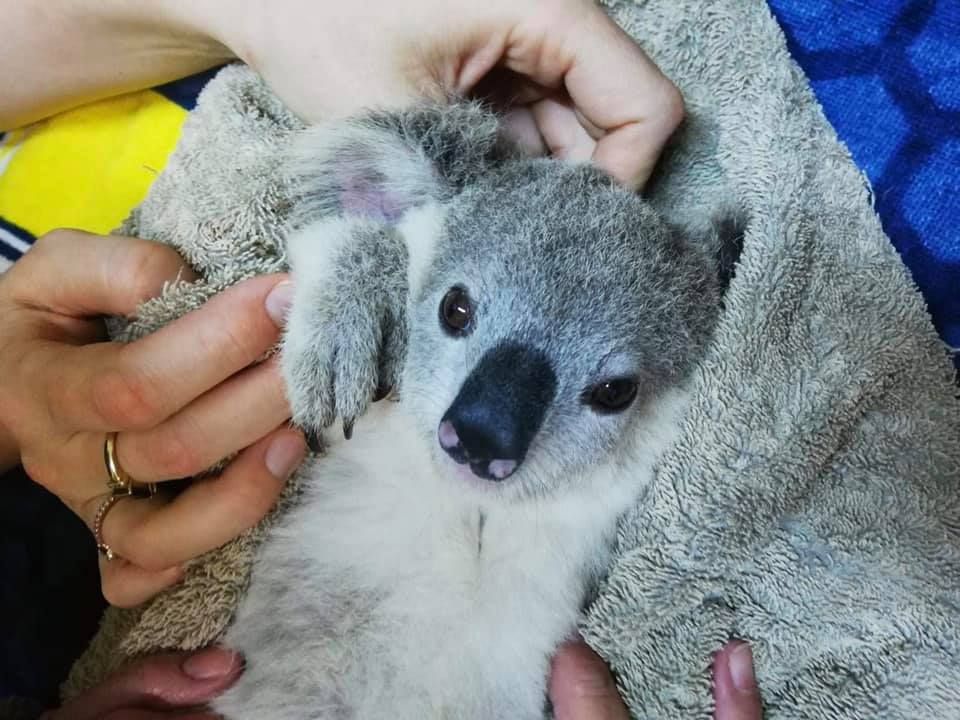
Your pet’s surgical site will be clipped and cleaned. A nurse will be with the veterinarian performing the surgery to monitor your pet’s anaesthesia the entire time. After surgery is finished, a nurse will stay with your pet until they wake up. When they go home, a staff member will explain the discharge instructions and any medications that are specific to your pet’s surgery.
Knowing what to expect after surgery can help make recovery smoother. Following instructions, monitoring your pet closely and allowing time to rest all play an important role in recovery.
A few things to keep in mind after surgery include:
- Following all discharge instructions carefully
- Giving medications as directed
- Watching for changes in behaviour or appetite
- Keeping your pet calm while they recover
Call to discuss your pet’s surgery today.


