Pet Worming in Sarina
Intestinal Worm Prevention
Pet worming is important because, aside from heartworms, dogs, cats and other pets are susceptible to a variety of worms that can cause serious health issues. The most commonly found ones include:
- Hookworms – These attach to the inside of the intestines and suck blood. In serious cases, your pet (especially puppies and kittens) can become very anaemic and may require a blood transfusion.
- Roundworms – Carried by your pets, roundworms can affect humans and are especially dangerous for young children.
- Tapeworms – Generally found hanging from your pets rear-end, these are actually just the egg segments and not the worm. Tapeworms can grow to several metres in length and can sometimes take 4 times the regular amount of medication to kill.
- Whipworms – These worms will cause your pet to have watery, bloody diarrhoea.
While intestinal worms can be deadly, they are relatively easy to prevent with regular worming tablets, paste or injections. Puppies can also be given a liquid. A good worming regime is:
- Puppies & Kittens – Every 2 weeks until they are 3 months old. Then monthly until they reach 6 months.
- Adults – Every 3 months.
Call Sarina Veterinary Surgery on (07) 4956 1897 to organise a worming plan for your pet today.
Send Us a Message
Thank you for contacting Sarina Veterinary Surgery.
We will get back to you as soon as possible.
Please try again later.
Frequently Asked Questions
How often should pets be wormed?
Puppies and kittens usually need worming every two weeks until they are three months old, then monthly until they reach six months. Adult pets are generally wormed every three months. Following a regular schedule helps reduce the risk of intestinal worms and supports your pet’s overall health.
Can pets pass worms on to humans?
Yes, some worms such as roundworms can be passed from pets to humans. This can be especially risky for young children who may come into contact with contaminated soil, fur or surfaces. Regular worming and good hygiene help lower the risk.
What are the signs of intestinal worms in pets?
Signs can include diarrhoea, vomiting, weight loss, bloating, low energy or visible worm segments around your pet’s rear end. Some pets may show very few symptoms, which is why regular worming remains important even when they seem well.
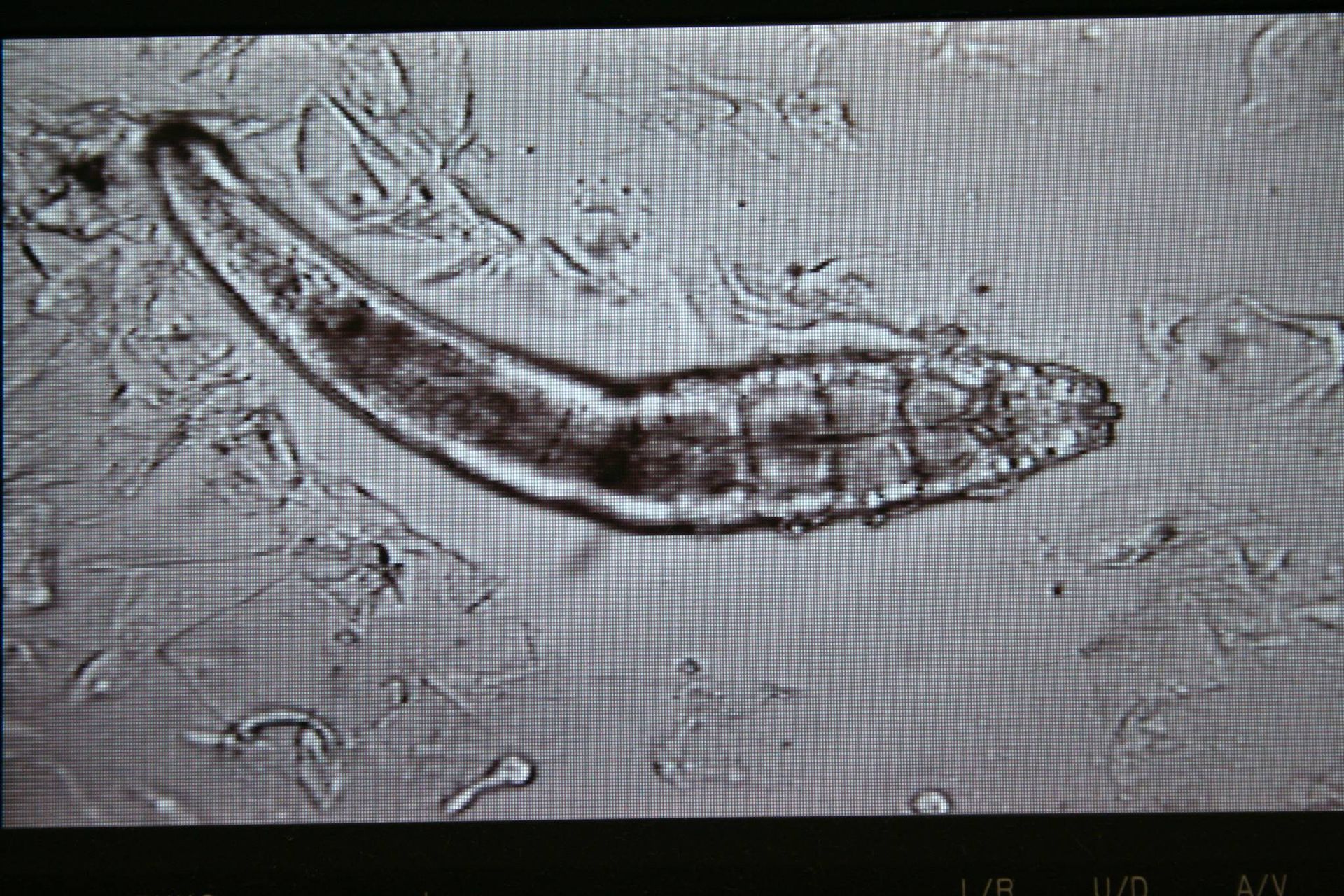
Keeping Worming On Schedule
Staying consistent with pet worming is one of the simplest ways to protect your pet’s health. Worms can be picked up through everyday exposure, and some types can also affect humans, so regular prevention plays an important role.
A regular worming routine should include:
- Frequent treatments for puppies and kittens while they are growing
- Ongoing worming for adult pets every few months
- Awareness that some worms can affect humans, especially young children
- Managing exposure through soil, fleas and contact with other animals
- Keeping to a consistent schedule to reduce the risk of reinfestation
Keeping up with a structured plan helps support your pet’s health at every stage of life.
Book your pet’s worming treatment today.


