
Puppy Vaccinations: What Every New Owner Needs to Know
Bringing home a new puppy is one of the better things in life, and it comes with a to-do list that can feel overwhelming in the first few weeks. Vaccinations sit near the top of that list, and for good reason. Protecting your puppy against serious infectious diseases during their first months of life is one of the most important things you can do for their long-term health.
This post covers why vaccinations from a vet clinic in Sarina matter, which vaccines your puppy needs, when to get them, what the process involves and what you can expect to pay. If you have just brought home a new pup, booking early for puppy vaccinations in Sarina is one of the most important first steps you can take.
Why Puppy Vaccinations Matter
Young puppies are particularly vulnerable to infectious disease. For the first weeks of life, they receive some protection through antibodies passed on by their mother, but this maternal immunity fades during the first few months and leaves the puppy exposed. Vaccination builds the puppy's own immune response so they can fight off diseases they encounter later in life.
The diseases that puppy vaccinations protect against are serious. Some are highly contagious between dogs, some are painful and distressing for the animal and some carry a significant risk of death even with veterinary treatment. Prevention through vaccination is far better than treatment after the fact, both for the puppy and for the owner's peace of mind and wallet.
Vaccination also plays a role in protecting the broader dog population. When most dogs in a community are vaccinated, it becomes harder for diseases to spread, which helps protect dogs who cannot be vaccinated for medical reasons.
What Vaccines Does Your Puppy Need?
In Australia, puppy vaccines are divided into core vaccines and non-core vaccines. Core vaccines protect against diseases that are serious, widespread or pose a risk to public health. Non-core vaccines protect against diseases where risk depends on the individual dog's lifestyle and environment.
Core vaccines for dogs in Australia cover:
- Canine distemper virus: A serious and often fatal disease affecting the respiratory, gastrointestinal and nervous systems
- Canine adenovirus (hepatitis): A viral infection affecting the liver
- Canine parvovirus: A highly contagious and potentially fatal gastrointestinal disease that remains present in soil for extended periods
These three are typically combined into a single injection referred to as a C3 vaccine.
Non-core vaccines that may be recommended depending on your puppy's lifestyle include:
- Bordetella bronchiseptica and parainfluenza virus: These cause kennel cough, a highly contagious respiratory condition. Vaccination is often required by boarding kennels, grooming salons and dog parks, and is worth discussing with your vet in Sarina regardless of lifestyle
- Leptospirosis: Relevant for dogs in certain environments, particularly those with access to water or areas frequented by wildlife
Your vet will assess your puppy's individual circumstances and recommend which non-core vaccines are appropriate. A C5 vaccine combines the C3 core vaccine with protection against the two main kennel cough pathogens and is commonly recommended.
When to Get Each Vaccination
The timing of puppy vaccinations follows a schedule designed to build protection during the window when maternal immunity is fading. Giving vaccines too early means maternal antibodies may interfere with the immune response. Giving them too late leaves the puppy unprotected.
A typical puppy vaccination schedule in Australia looks like this:
- 6 to 8 weeks: First vaccination, usually a C3
- 10 to 12 weeks: Second vaccination, which may be C3 or C5 depending on the vet's recommendation
- 14 to 16 weeks: Third vaccination, completing the primary course
The three-injection schedule is necessary because maternal antibody interference cannot be predicted precisely, and the series ensures protection develops regardless of when the puppy's own immune system becomes fully responsive.
After the primary course is complete, your puppy will need booster vaccinations. Most vets recommend a booster at 12 months of age following the primary course, and then ongoing adult boosters at intervals recommended by your vet based on the vaccines given. The schedule for adult boosters varies depending on the specific vaccine products used.
Until the primary vaccination course is complete, it is advisable to limit your puppy's exposure to unvaccinated dogs and public areas where other dogs have been. Your vet will advise on when it is safe to begin socialisation in these environments.
How Much Do Puppy Vaccinations Cost?
Puppy vaccination costs in Australia vary between clinics and depend on the specific vaccines given at each visit. The consultation fee is typically charged separately from the vaccination itself.
As a general guide:
- Each puppy vaccination appointment typically includes a health examination alongside the injection, as the vet uses the visit to check the puppy's overall development and pick up any early concerns
- The cost of a C5 vaccine is generally higher than a C3 due to the additional components
- Some clinics offer puppy health packages that bundle multiple vaccination visits and other services at a combined price
Vaccinations are a relatively modest ongoing cost compared to treating the diseases they prevent. Parvovirus in particular can require intensive hospitalised treatment, which is both distressing and significantly more expensive than the vaccination that would have prevented it.
Vaccinations are also just one reason regular vet visits matter in your puppy's early life. Read more about
how often you should take your pet to the vet to understand what a good health routine looks like as your puppy grows.
What to Expect at the Vet Visit
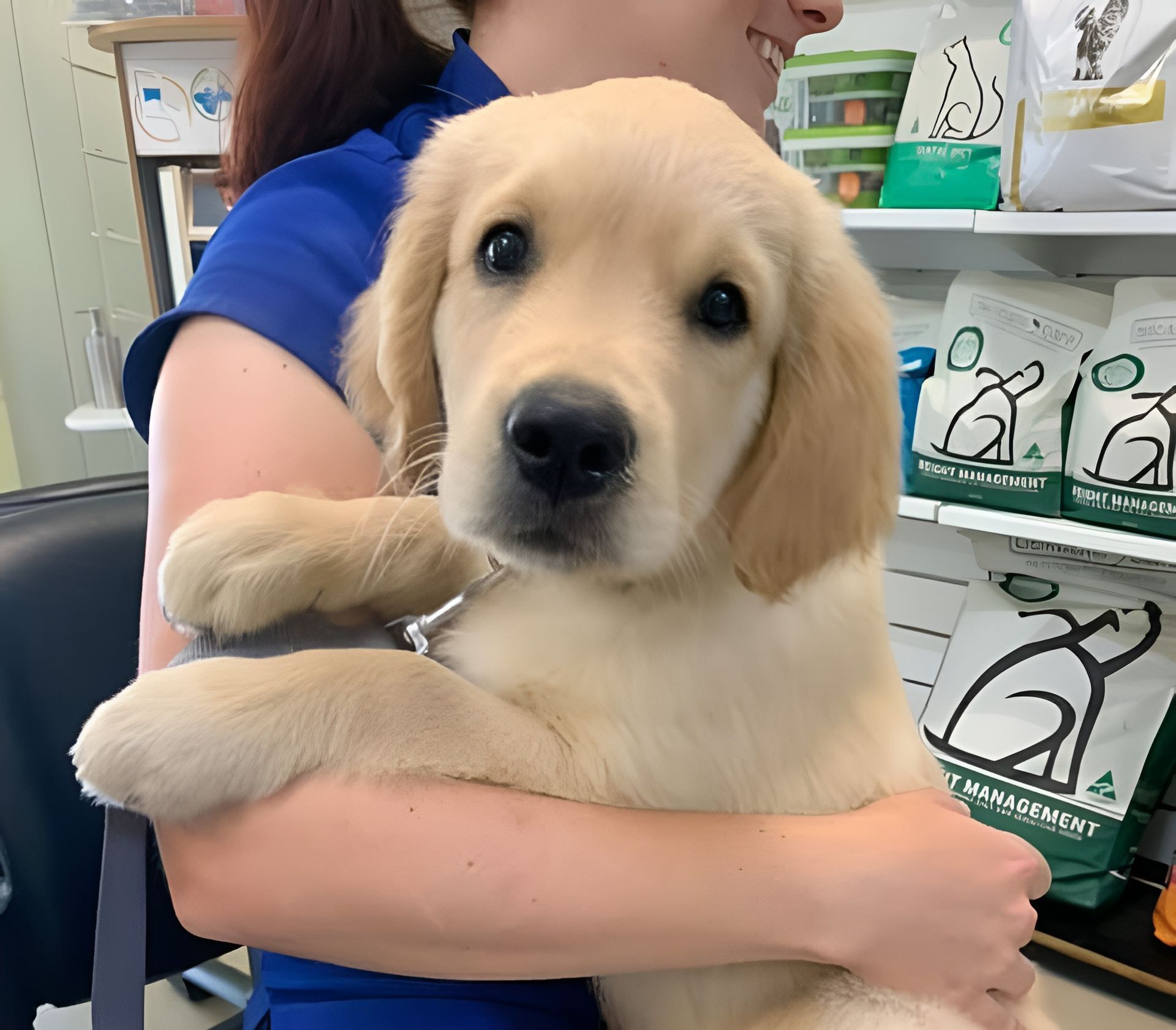
If this is your puppy's first vet visit, knowing what to expect makes it less daunting for both of you.
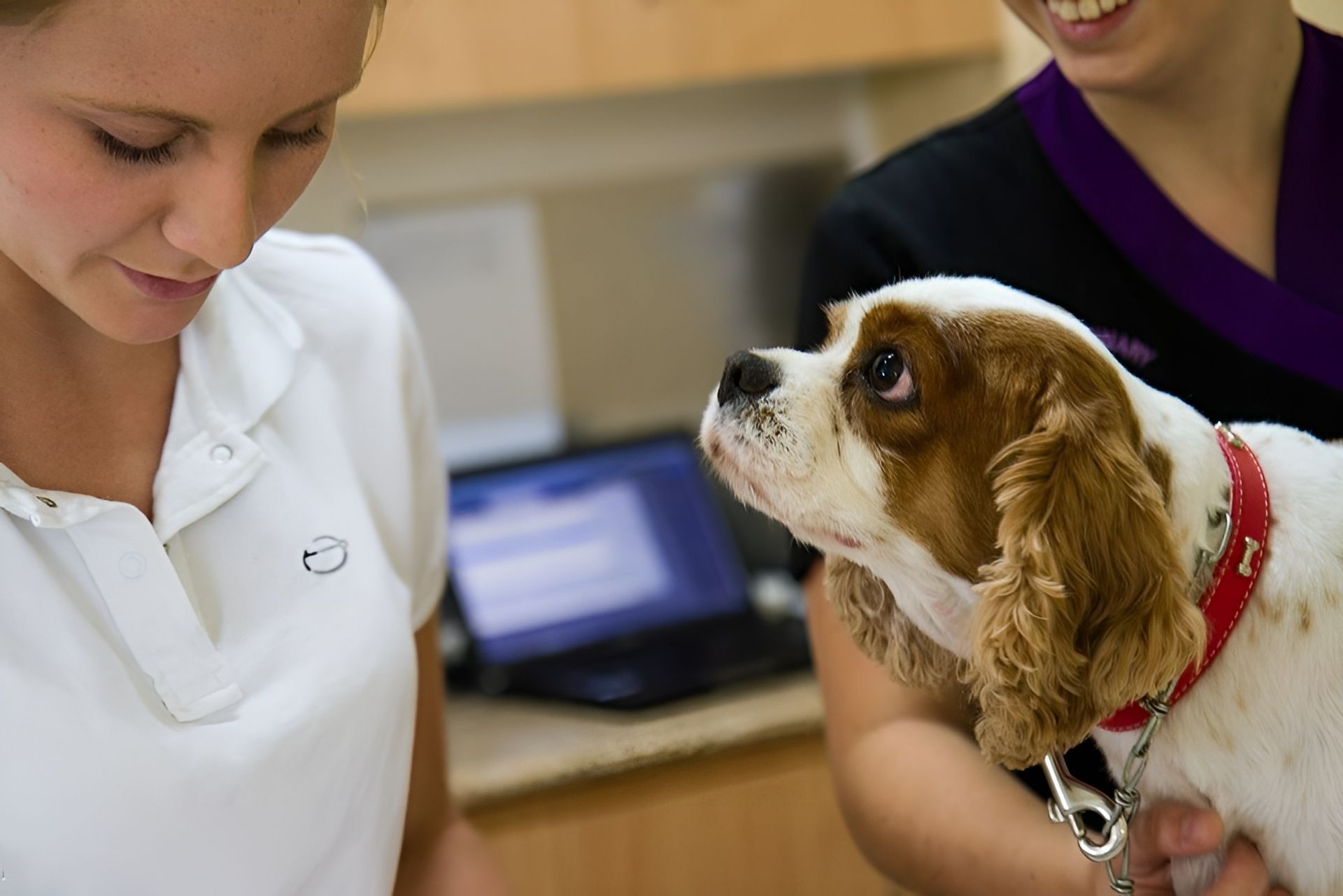
The appointment will typically begin with a physical health examination. The vet will check your puppy's weight, eyes, ears, coat, teeth, heart and abdomen, looking for any signs of illness or developmental concerns. This is also a good opportunity to ask any questions you have about feeding, parasite prevention, desexing or behaviour.
The vaccination itself is a small injection, usually given under the skin at the back of the neck. Most puppies tolerate it well, and the discomfort is brief. It is worth bringing a treat or a favourite toy to keep the puppy calm and comfortable.
After the injection, your vet may ask you to wait briefly before leaving to ensure no immediate reaction occurs. Reactions to vaccines are uncommon but can happen, and the clinic is the right place to be if one does.
Your vet will provide a vaccination record documenting what was given and when. Keep this document safe, as it will be required by boarding facilities, trainers and groomers.
A mild lethargy or reduced appetite in the 24 hours after vaccination is normal. If your puppy seems significantly unwell, develops facial swelling or has difficulty breathing, contact the vet promptly.
Booking Your Puppy's First Vaccination
The earlier you book, the earlier your puppy can begin building protection. Most vets recommend the first vaccination at six to eight weeks of age, so if you are collecting a puppy from a breeder, it is worth asking whether any vaccinations have already been given and obtaining records so your vet can plan the next steps from where the schedule left off.
Our vet clinic Sarina team will walk you through the full schedule and answer any questions at your puppy's first appointment. We work with new puppy owners across Sarina and the Mackay region to make the vaccination process clear and straightforward from the start. Not sure where to begin? Contact our team and we will help you plan your puppy's vaccination schedule from day one.